
Short on time? Get a summary of the article:
Choosing the right time to post on Instagram directly impacts how well your content performs. The algorithm favors posts that generate quick interaction in the first few hours. Aligning your posts with your audience’s habits maximizes engagement and improves organic reach.
Why posting time affects your post performance
Choosing the right time to post on Instagram directly determines how successful your content will be. The Instagram algorithm favors posts that generate quick interactions—likes, comments, and shares—within the first few hours after going live.
Data shows that 75% of engagement happens within the first 24 hours, with a peak concentrated in the first 3 to 4 hours after posting. This early boost signals to the algorithm that your content deserves wider distribution to other users.
Posting at the wrong time puts your content at risk of getting lost in the feed. Your followers check Instagram at specific moments—during commutes, lunch breaks, or in the evening to unwind. Aligning your posts with these high-activity windows maximizes your engagement rate and improves the organic reach of your posts across social networks.
The best days to post on Instagram
According to recent analyses, Wednesday and Thursday show the highest engagement rates on Instagram, outperforming other days by 15–20%. These midweek days capture an audience that is active and highly receptive.
Monday also performs well, especially for B2B accounts reaching a professional audience at the start of the week. By contrast, Sunday evening is surprisingly effective: users tend to scroll more and engage longer with content.
Weekend performance varies by industry:
- Lifestyle and entertainment accounts: Saturday and Sunday perform well
- B2B brands: noticeable drop in activity on weekends
- Local businesses: Friday and Saturday are optimal
For American brands targeting an English-speaking audience, these trends are consistent, with especially strong engagement peaks midweek, when digital routines are most firmly established.
Ideal posting times based on moments of the day
Engagement data analysis shows that certain time slots consistently generate higher interaction rates on Instagram. These activity peaks align with French users’ digital habits and offer clear opportunities to improve your visibility.
Morning: capturing the audience as they wake up
Between 7 a.m. and 9 a.m., users check Instagram during their commute or over breakfast. This time slot delivers an average engagement rate of 3.2%, making it especially effective for informative and inspiring content. Reels perform particularly well around 8:30 a.m., when audiences look for dynamic content to start the day.
Lunch break: a peak in browsing activity
The 12 p.m. to 2 p.m. window generates an engagement rate of 3.5%. Users scroll actively during their lunch break, favoring short, entertaining content. Carousels and educational posts attract the most attention around 1 p.m., when people have a few minutes to catch up.
Evening: the most profitable time slots
The 5 p.m. to 9 p.m. period remains the top-performing window, with an engagement rate reaching 4.5%. The peak occurs around 7 p.m., a prime relaxation moment after work. A wide range of content performs well here: Reels (+30% engagement), interactive Stories, and inspiring posts. Sunday evening at 7 p.m. stands out as the most profitable time slot of the week.
When to post based on the day of the week
Each day of the week has its own engagement patterns on Instagram. Your audience’s digital habits shift depending on work schedules and personal routines.
Monday: back to a digital routine
Monday marks a return to work and a gradual reconnection with social media. Audiences check Instagram in waves:
- 8–9 a.m.: during the commute
- 12–1 p.m.: an active lunch break
- 5–7 p.m.: unwinding after work
The engagement rate stays moderate but steady, with a clear preference for inspiring content that helps set the tone for the week.
Tuesday to Thursday: the most consistent days
These three days deliver the most predictable performance. Audiences are settled into their routine and check Instagram regularly:
- Tuesday: 9–11 a.m. and 7–9 p.m.
- Wednesday: 11 a.m.–2 p.m. and 6–8 p.m.
- Thursday: 10 a.m.–12 p.m. and 5–7 p.m.
Engagement rates peak during this window, especially for Reels posted between 11 a.m. and 3 p.m..
Friday: before the weekend shift
Friday shows two distinct phases. Mornings remain productive (9 a.m.–12 p.m.), while attention drops off in the afternoon as people switch to weekend mode.
Aim to publish content before 4 p.m. to maintain solid engagement. Lighter, more entertaining posts perform best later in the day.
Weekend: opportunities and risks
Saturday and Sunday offer specific windows:
- Saturday morning (9–11 a.m.): relaxed browsing
- Sunday evening (6–8 p.m.): getting ready for the week
Engagement varies depending on your industry and your audience’s lifestyle.
Adapting your posting times to your audience’s habits
Posting at the right time on Instagram requires a clear understanding of your audience’s behavior. Instead of blindly following general recommendations, analyze data specific to your community to maximize your engagement rate.
Review your follower insights
Instagram Insights provides valuable data about your audience’s activity. Access these stats from your professional profile under “Insights,” then “Audience.” You’ll find:
- The days when your followers are most active
- Their peak login times
- The geographic breakdown of your audience
- The most represented age groups
These data points show when your community actually uses Instagram, making them far more reliable than broad industry studies.
Identify your most effective time slots
Cross-reference your audience data with the performance of your past posts. Analyze:
| Metric | Key indicator |
| Reach | Number of accounts reached |
| Impressions | Total number of views |
| Engagement | Likes, comments, shares |
Identify the posts that generated the strongest engagement and note the times they were published.
Test and refine your posting schedule
Run A/B tests by publishing similar content at different times. Rotate posting hours over several weeks and measure the results. This approach helps you gradually pinpoint your optimal time slots and adapt your strategy as your audience evolves.
Best times based on the type of content you post
Each Instagram format aligns with different consumption behaviors. Adapting your posting times to the type of content you share helps maximize engagement and reach your audience when they’re most receptive.
Classic posts: images and carousels
Traditional posts perform best during relaxed browsing windows. Prioritize:
- 12–1 p.m.: lunch break, ideal for scrolling
- 5–7 p.m.: end of the workday
- 8–9 p.m.: evening downtime
These formats require more attention than Reels, which is why it’s important to post when your followers have time to read captions and swipe through content.
Reels: maximizing virality
Reels benefit from an algorithmic boost and can be discovered at any time via the Explore tab. The most effective time slots are:
- 8–9 a.m.: morning commutes
- 7–10 p.m.: peak video consumption
- Weekend mornings: more free time available
Publish your Reels when your audience is looking for entertaining or inspiring content.
Common mistakes to avoid when choosing posting times
Several mistakes can hurt the performance of your Instagram posts. Always posting at the same time limits your reach—your audience isn’t online at the same moment every day. Vary your time slots to reach different segments of your followers.
Ignoring Reels is a major mistake. This format benefits from an algorithmic boost and generates 22% more engagement than traditional posts. Neglecting Reels significantly reduces your visibility.
Failing to check your Instagram Insights means missing valuable information about your audience’s habits. These stats reveal when your followers are most active.
Posting only when you have free time, without planning ahead, hurts consistency. Your engagement rate can drop by 30% with irregular posting. Use scheduling tools to maintain a steady, strategic presence.

Ideal posting frequency on Instagram without overwhelming your audience
Consistency matters more than volume. Posting 3 to 5 posts per week is the recommended frequency to maintain a steady presence without tiring your audience. This rhythm helps you produce high-quality content while keeping your followers engaged.
For Reels in particular, likes can significantly improve reach, since Instagram actively prioritizes this format. A Reel with strong engagement is far more likely to be pushed to a wider audience. Reels, format privilégié par l’algorithme Instagram, visez 1 à 2 publications par jour maximum. Ces vidéos courtes bénéficient d’une portée étendue et peuvent rapidement surcharger votre fil si vous en publiez trop.
Stories offer more flexibility. Sharing 3 to 5 Stories per day lets you show behind-the-scenes content and interact naturally with your community without cluttering the main feed.
- Classic posts: 3–5 per week
- Reels: 1–2 per day maximum
- Stories: 3–5 per day
- Lives: 1–2 per week depending on your goals
At Fidzup, we’ve observed that brands following these frequencies achieve 40% higher engagement than those that overpost.
Using scheduling tools to manage your posts
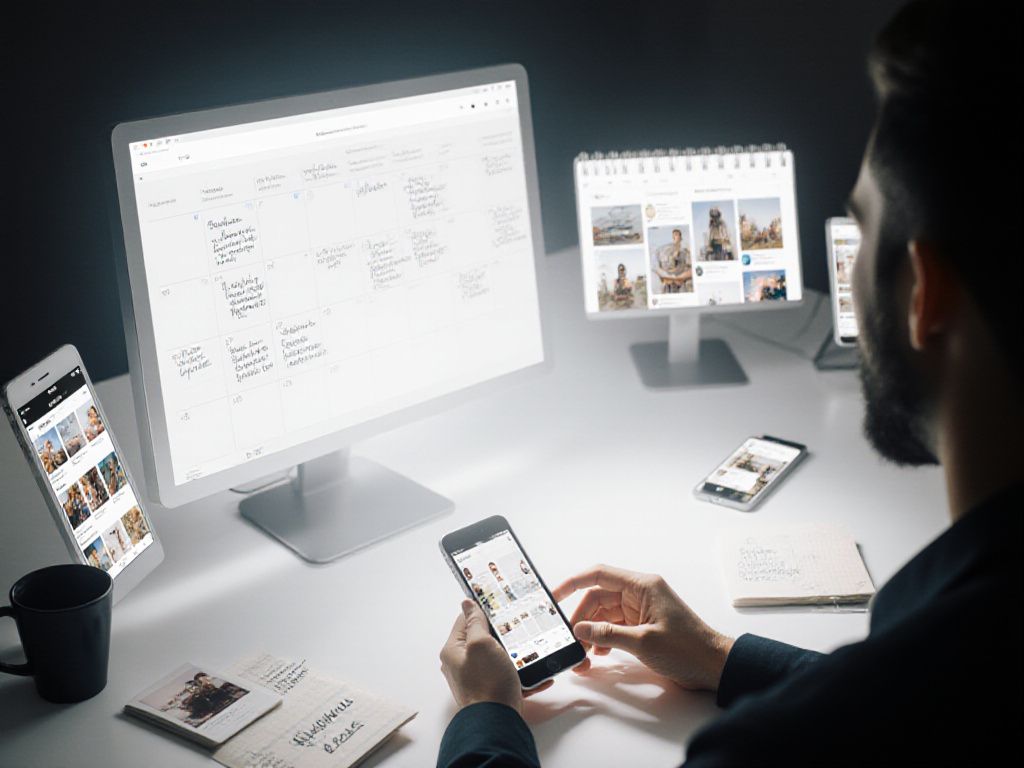
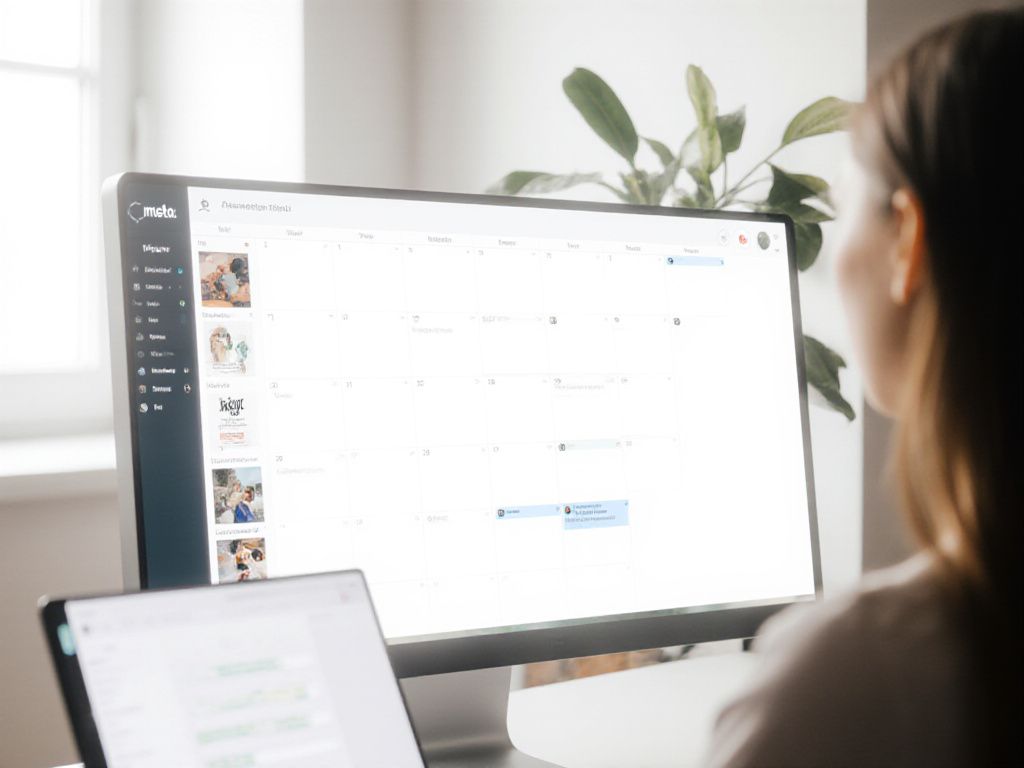
Scheduling your Instagram posts becomes easy with the right tools. Meta Business Suite and Creator Studio let you plan content directly from Facebook at no extra cost. These platforms provide an overview of your performance and help identify your most effective time slots.
For professional accounts, solutions like Hootsuite or Later offer advanced features: Story scheduling, multi-account management, and detailed analytics. These tools save valuable time by automating your posts while maintaining a consistent presence.
The main benefit? You can test different posting times over several weeks, analyze the results, and adjust your strategy without being tied to your availability. At Fidzup, we recommend starting with Meta’s free tools before investing in more comprehensive paid solutions based on your specific needs.
Summary of the best times to post based on your industry
Each industry has its own specific patterns when it comes to posting times on Instagram. Here’s a recap tailored to your field:
- B2B: focus on business hours (9 a.m.–12 p.m. and 2 p.m.–5 p.m.) from Tuesday to Thursday to reach professional prospects
- Food & restaurants: target time slots around meals (11:30 a.m.–1:30 p.m. and 6:30 p.m.–8:30 p.m.) to spark appetite and interest
- Fashion & beauty: take advantage of lunch breaks (12 p.m.–2 p.m.) and evenings (7 p.m.–9 p.m.) when your audience is relaxing
- Travel: prioritize weekends and late afternoons (4 p.m.–6 p.m.) to inspire future travelers
- Events: align with your audience’s planning phases (Wednesday–Thursday evenings)
These recommendations provide a strong starting point, but don’t forget to analyze your own Instagram Insights to fine-tune your strategy and maximize engagement.
Frequently asked questions
What time of day should you post on Instagram?
The most effective time slots are 2 p.m.–3 p.m. to reach students after school, and 7 p.m.–9 p.m. to capture the attention of users unwinding after work—when they’re more likely to scroll through their Instagram feed.
Quand publier sur Instagram pour maximiser sa visibilité en 2025 ?
The recommended posting times for 2025 are optimized by day: Monday from 10 a.m. to 6 p.m., with a peak in engagement around 3 p.m. and on Tuesday from 10 a.m. to 3 p.m. for maximum reach.
What are the peak activity hours on Instagram?
Activity varies by day:
- Monday: 3 p.m.–9 p.m.
- Tuesday: 5 a.m.–8 a.m. and 3 p.m.–7 p.m.
- Wednesday: around 5 p.m.
- Thursday: 4 p.m.–5 p.m.
- Friday: around 4 p.m.
- Weekend: Saturday 11 a.m.–5 p.m., Sunday 12 p.m.–3 p.m.
How do you apply the 4-1-1 strategy to Instagram posts?
This balanced content method involves publishing six posts in total: four entertaining or informative pieces, one soft promotional post, and one direct sales post—helping you maintain engagement without overwhelming your audience.
 English
  French